

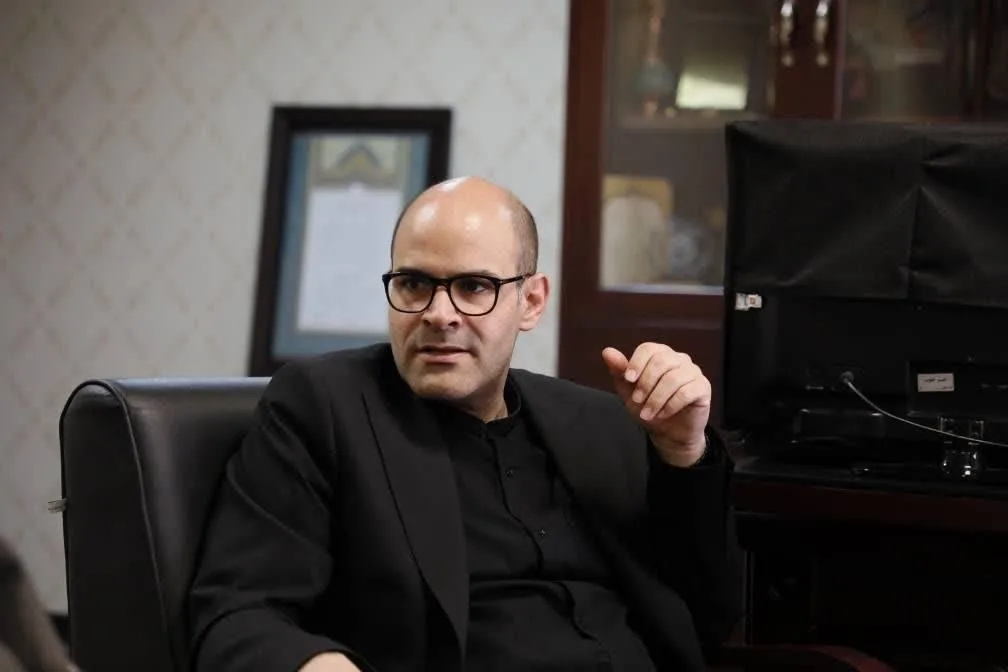
Mohammad Ali Choubini, Shiraz Deputy Mayor: The city can turn its cultural, artistic and natural assets into a year-round tourism economy driven by events and private-sector participation
By: Homa Haseli
Tourismonline: Shiraz has the potential to become a year-round destination for event-based tourism by drawing on its cultural, artistic, historical and natural assets and by strengthening the role of the private sector, Mohammad Ali Choubini, deputy mayor of Shiraz and head of the Shiraz Municipality’s Cultural, Social and Sports Organization, has said.
Speaking to Tourism, Choubini said Shiraz should redefine its position in the tourism industry and move beyond being viewed solely as a historical destination associated with attractions such as Persepolis, Hafezieh and Saadieh.
According to Choubini, the city and its surrounding areas offer a diverse range of tourism opportunities, including literary and cultural tourism, art, gastronomy, health tourism and nature-based tourism.
Shiraz can transform these assets into a dynamic and sustainable tourism economy in which the private sector and tourism businesses play a meaningful role, the deputy mayor said.
Choubini identified institutional fragmentation and a lack of coordination among different organizations as two of the main obstacles to tourism development.
“In many tourism projects and destinations, several institutions are involved, but without sufficient coordination and synergy, part of the available resources and energy is wasted,” he said.
Mohammad Ali Choubini stressed that if tourism is recognized as a provincial priority; all relevant institutions should contribute to its development. Referring to sites and projects such as Dar al-Salam Cemetery and the proposed cable car, he called for greater cooperation among the municipality, the Cultural Heritage, Tourism and Handicrafts authorities, the Endowment Organization, environmental authorities and other relevant bodies.
“Simply saying no is not an achievement. The real art of management is to find solutions while taking expert considerations into account,” he said.
He also proposed establishing joint, participatory management structures for major tourism sites such as Hafezieh and Saadieh, allowing different institutions and organizations, including Shiraz University, to contribute their expertise and capabilities.
A People-Centered Approach to Tourism
Choubini said successful tourism events should put people at the center and involve the private sector, artists, cultural institutions and local businesses.
Events, he argued, should not simply consist of a series of scheduled programs. They should create a distinctive experience that motivates visitors to travel specifically to attend the event.
He cited examples such as the Koocheh Festival in Bushehr and music and cultural events in different Iranian cities as evidence that local traditions and cultural practices can be transformed into tourism attractions.
Shiraz : A Regional Tourism Hub
The deputy mayor emphasized that Shiraz’s tourism potential should not be limited to the city itself.
The wider Fars region offers a combination of natural, cultural and historical attractions, including the rosewater traditions of Meymand, narcissus fields and diverse landscapes.
“Shiraz should be considered together with its surrounding areas and, ultimately, with the tourism potential of Fars as a major destination in southern Iran,” he said.
He added that Shiraz could host a succession of distinctive cultural, artistic, literary and nature-based events throughout the year.
At the same time, Choubini warned that the sheer diversity of Shiraz’s tourism assets could become a weakness without a clear focus.
“We have so many capacities that sometimes we fail to focus sufficiently on any one of them,” he said, suggesting that dedicated programs and secretariats could be established for major tourism fields.
Cultural Infrastructure and Major Events
Choubini also highlighted the importance of cultural infrastructure in strengthening Shiraz’s position as an event destination.
He described the City’s Amphitheater as an important opportunity for hosting major concerts, theater productions and other artistic events. He pointed to the strong public response to Alireza Ghorbani’s concerts in Shiraz as evidence that the city has an audience for large-scale cultural events.
The deputy mayor suggested that the Amphitheater’s first major event could be a prestigious multidisciplinary production centered on an iconic Iranian cultural figure such as Hafez or Saadi, or a character from the Shahnameh.
A Cultural Week for Nowruz Countries
Looking toward international cultural tourism, Choubini proposed organizing a “Cultural Week of the Nowruz Countries” in Shiraz.
“If conditions allow, this event could be developed for Nowruz 1406,” he said, referring to the Iranian calendar year beginning in March 2027.
He also proposed a “Cultural Week of Shiraz’s Sister Cities,” which could bring together partner cities such as Dushanbe and other sister cities to showcase their cultural identities and strengthen tourism ties.
Choubini described art as one of the most effective common languages between nations and highlighted the potential of the “Shiraz Symphony” as a tool for international cultural diplomacy.
The deputy mayor said the symphony could be performed not only in Shiraz’s sister cities but also in other cities around the world that have symphony orchestras, providing an opportunity to introduce Shiraz through music and culture.
Why Shiraz?
Asked what he would tell a foreign tourist considering a trip to Shiraz, Choubini gave a simple answer: “The people of Iran.”
If he had to recommend just one attraction, however, he would choose Vakil Bazaar, a historic marketplace where visitors can experience architecture, history, commerce and the everyday life of Shiraz all in one place.
Mohammad Ali Choubini concluded by describing Shiraz as more than just a historical destination.
In his view, the city offers a cultural and civilizational experience rooted in tolerance, interaction and coexistence—values that, he believes, can convey a meaningful message to the contemporary world.
For Shiraz, he said, the challenge is not a lack of tourism assets, but creating the coordination, focus and sustainable structures needed to turn those assets into a year-round tourism economy.